LISTEN BELOW OR ON YOUR FAVORITE PLATFORM:
About This Episode
This conversation with Chelsea Victoria Jay reveals what it really takes to run a nonprofit farm that’s been serving community for 45 years. You’ll learn practical strategies for diversifying funding beyond grants, why their mission focuses on “creating peaceful communities through the eyes, hands, and hearts of children” rather than just food production, and how to build programs that actually complement each other. Chelsea’s transparency about financial management, the exhausting reality of constant fundraising, and her commitment to paying staff livable wages offers valuable lessons for anyone in nonprofit leadership.
Key Moments:
00:00 Mission Growing People
00:25 Life in Rural Mexico
01:17 Business Turning Point
03:28 Commitment Brings Momentum
04:19 Pitch Win and Farming Dreams
05:33 Discipline Takeaway
05:57 Introducing Chelsea and Hawaii
08:19 Meet Chelsea and the Farm
10:22 Farm Roots and Name Meaning
12:45 Mission and Planting Hope
15:08 Programs Serving Community
22:56 Executive Director Skills
26:54 Grant Funding Reality
30:21 Sponsor Message and Return
31:12 Diversifying Income Streams
34:08 Compliance and Capacity
36:59 Investing in Staff
Resources:
- Hoa ‘Āina O Mākaha Farm
- Make a donation to the farm!
- Hoa ‘Āina O Mākaha Farm – Instagram
- Hoa ‘Āina O Mākaha Farm – Facebook
- Book a discovery call with Emily
Want to get added to the waitlist for beta testers! Send a message to melissa @ mezclada.co and we’ll keep you posted on when spots open up.
Discovering Sustainable Agriculture: Insights from Hoa 'Āina O Mākaha
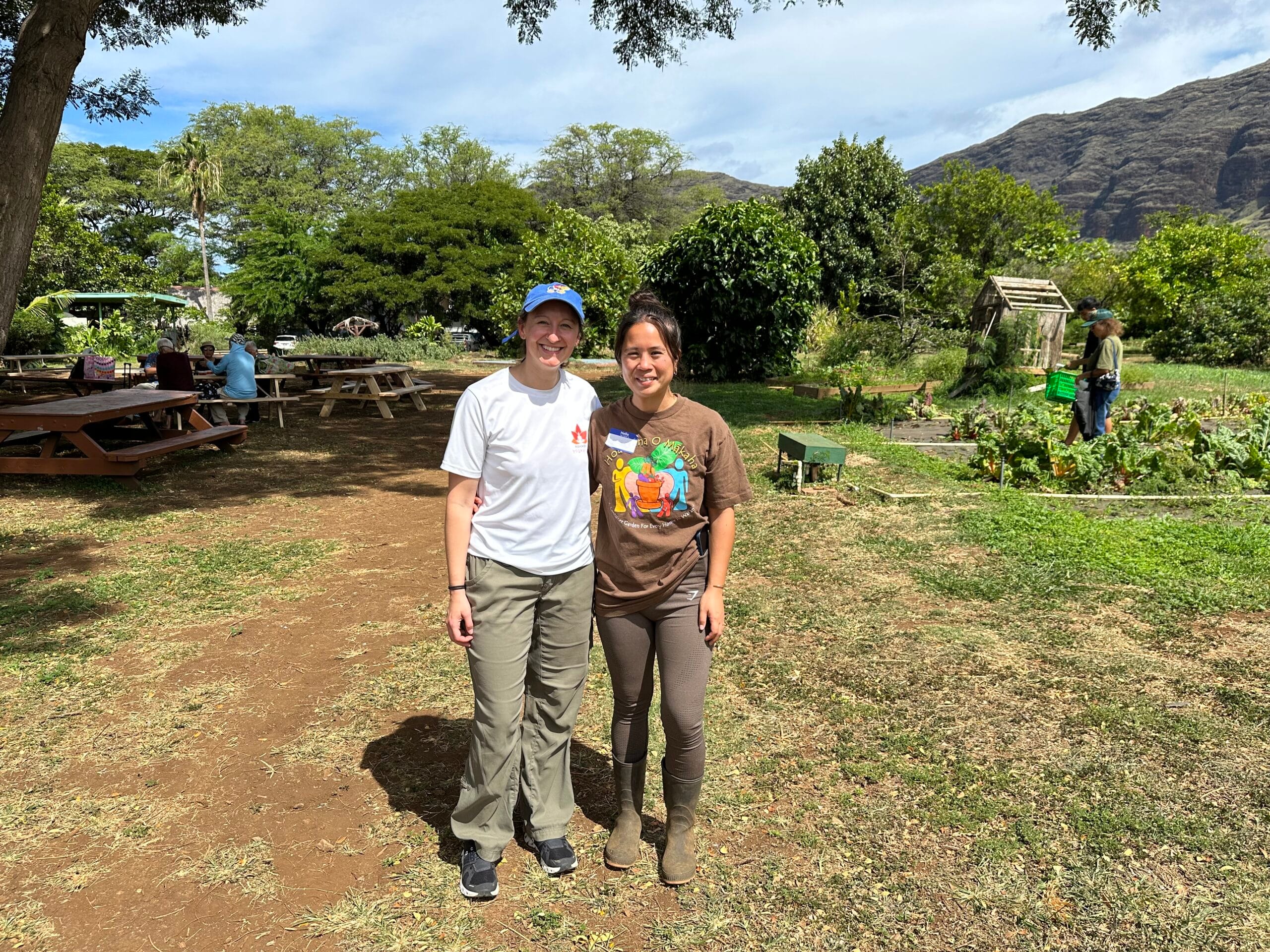
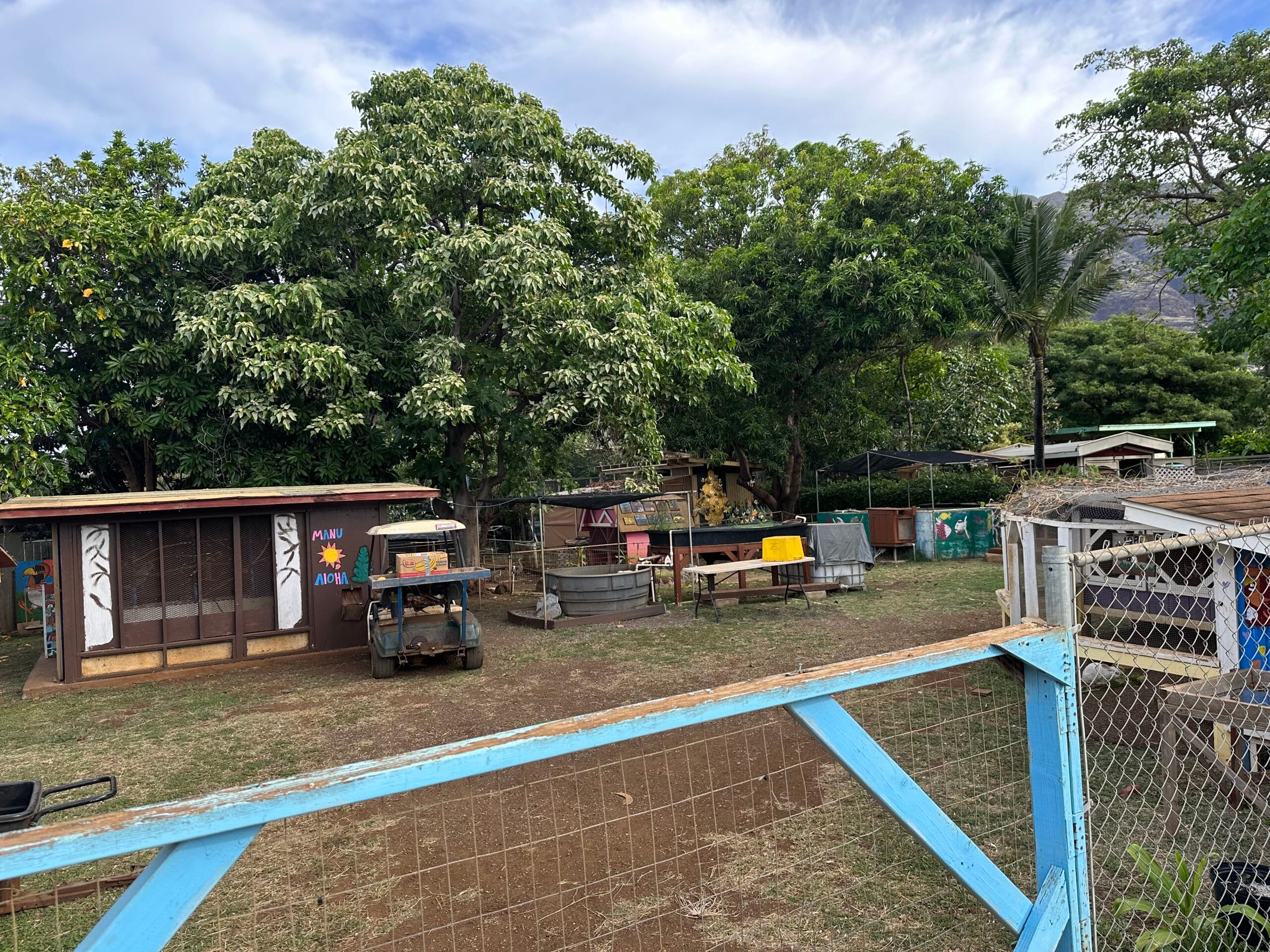
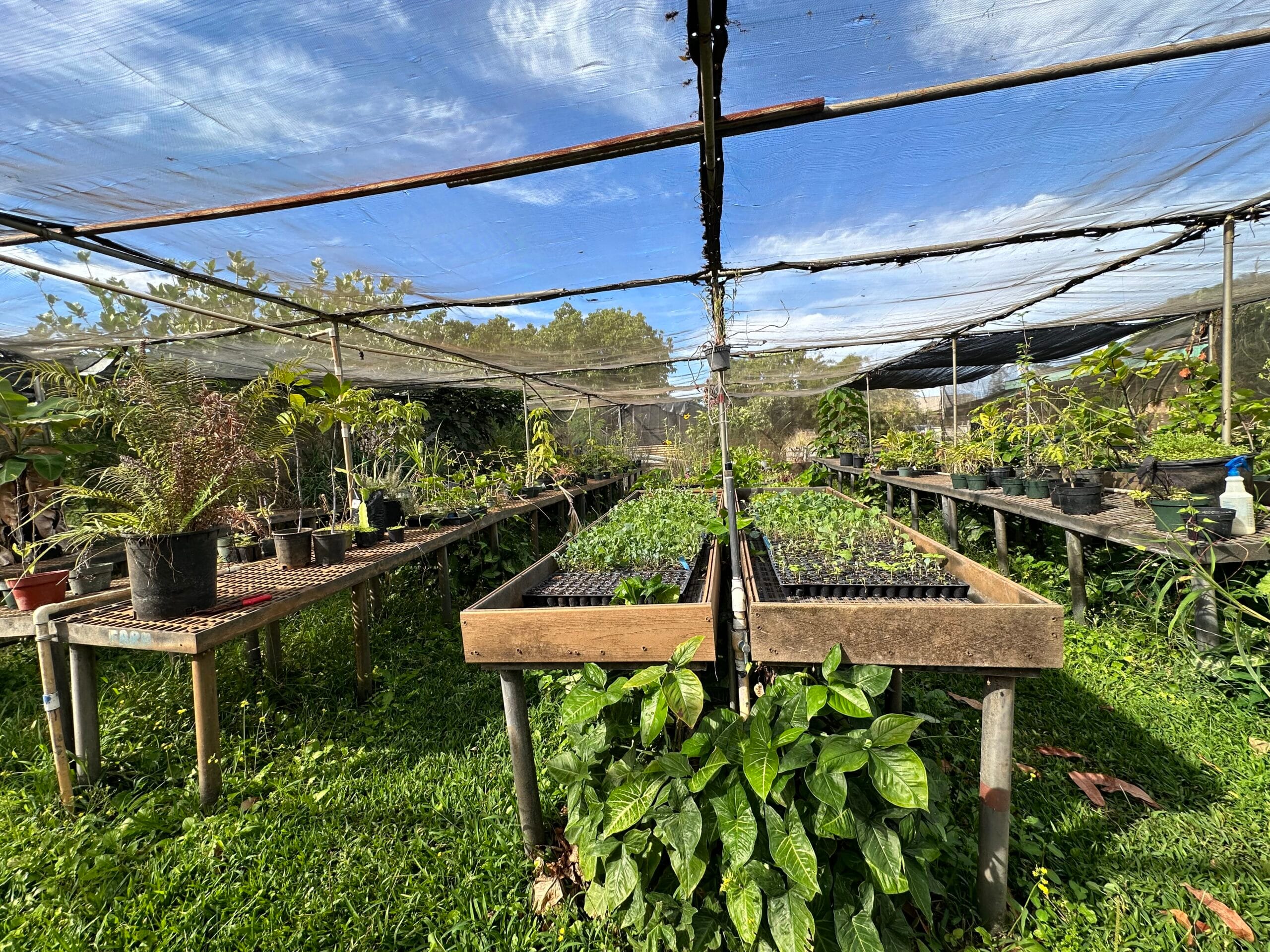
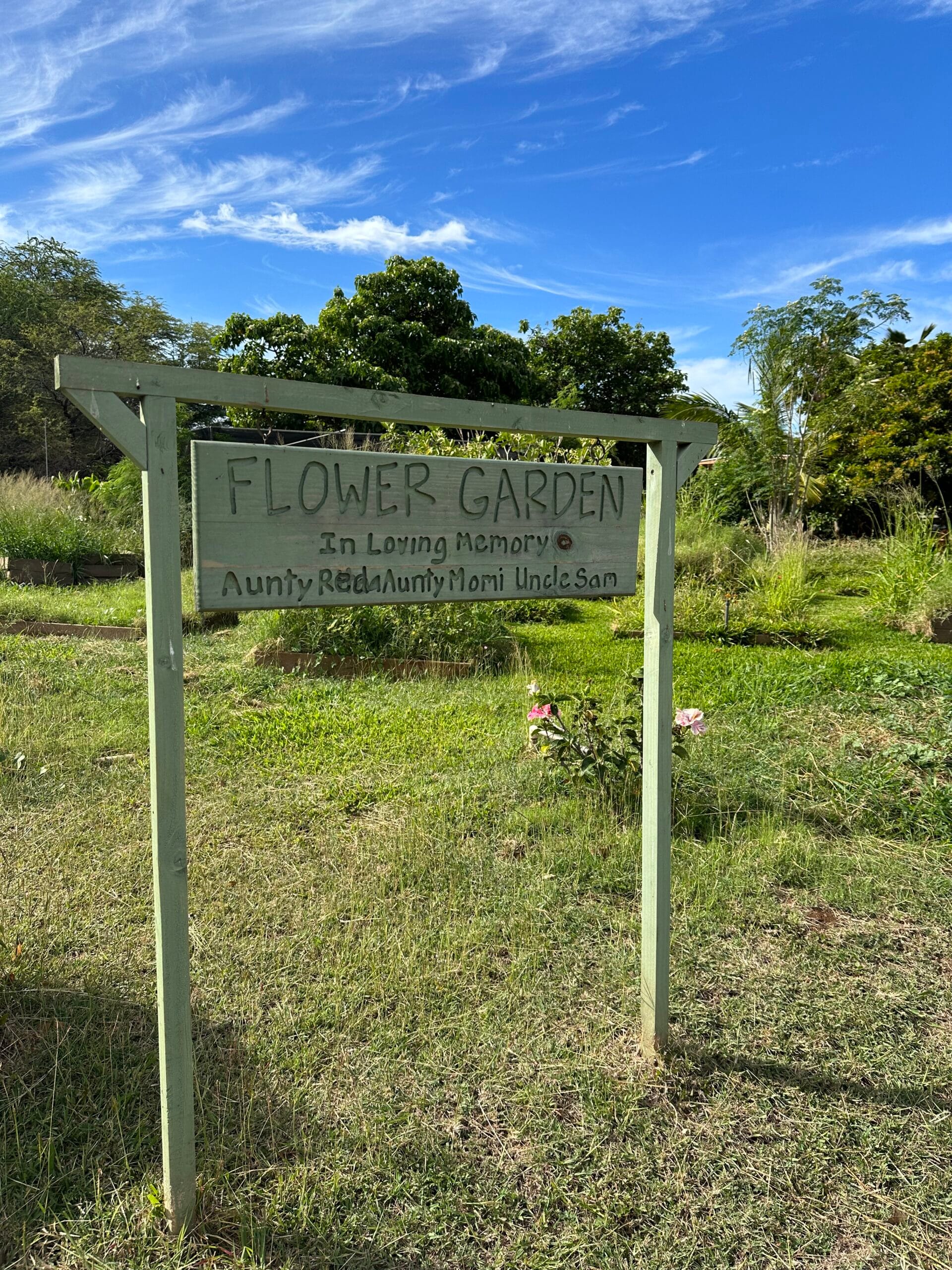
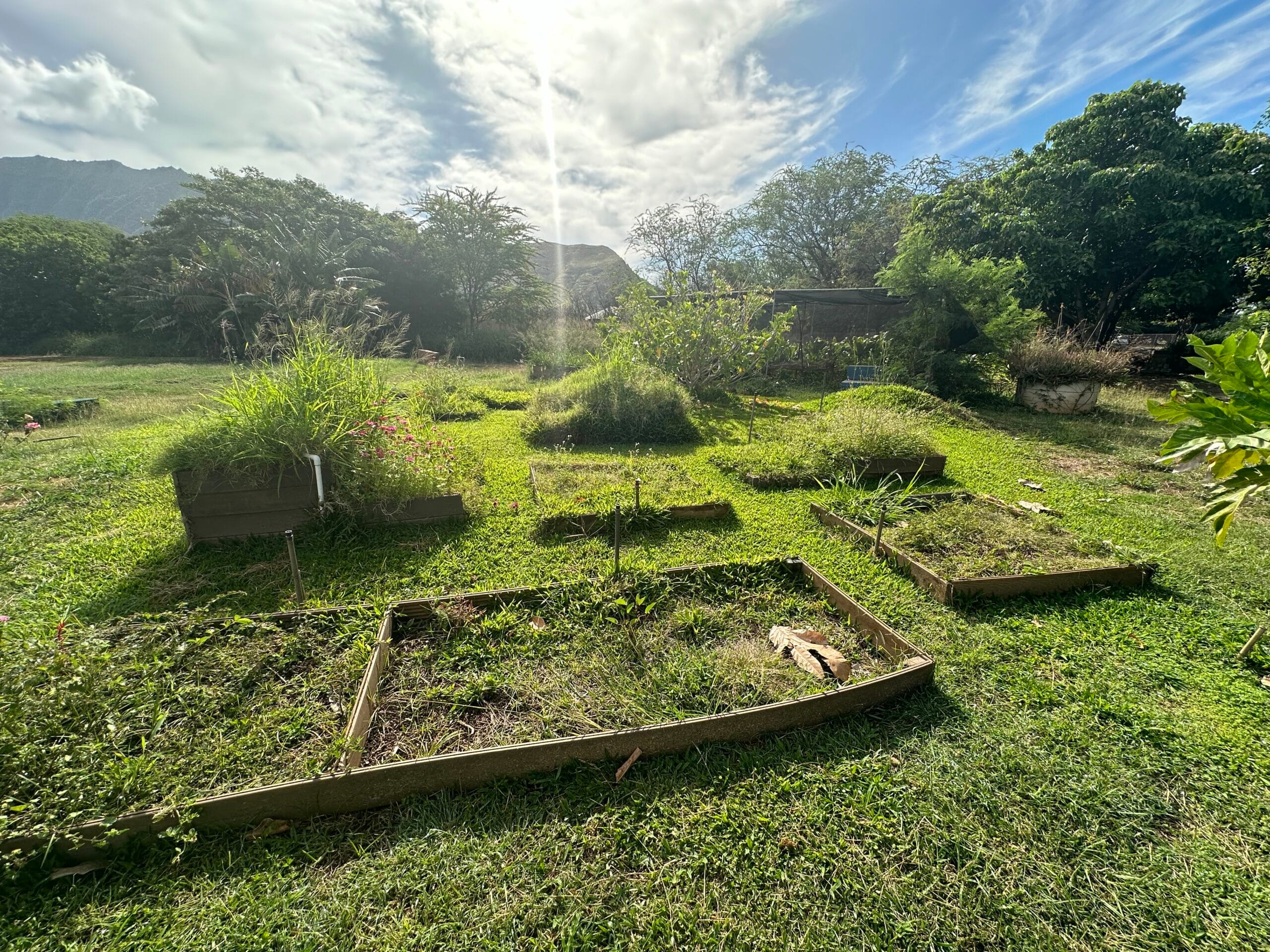
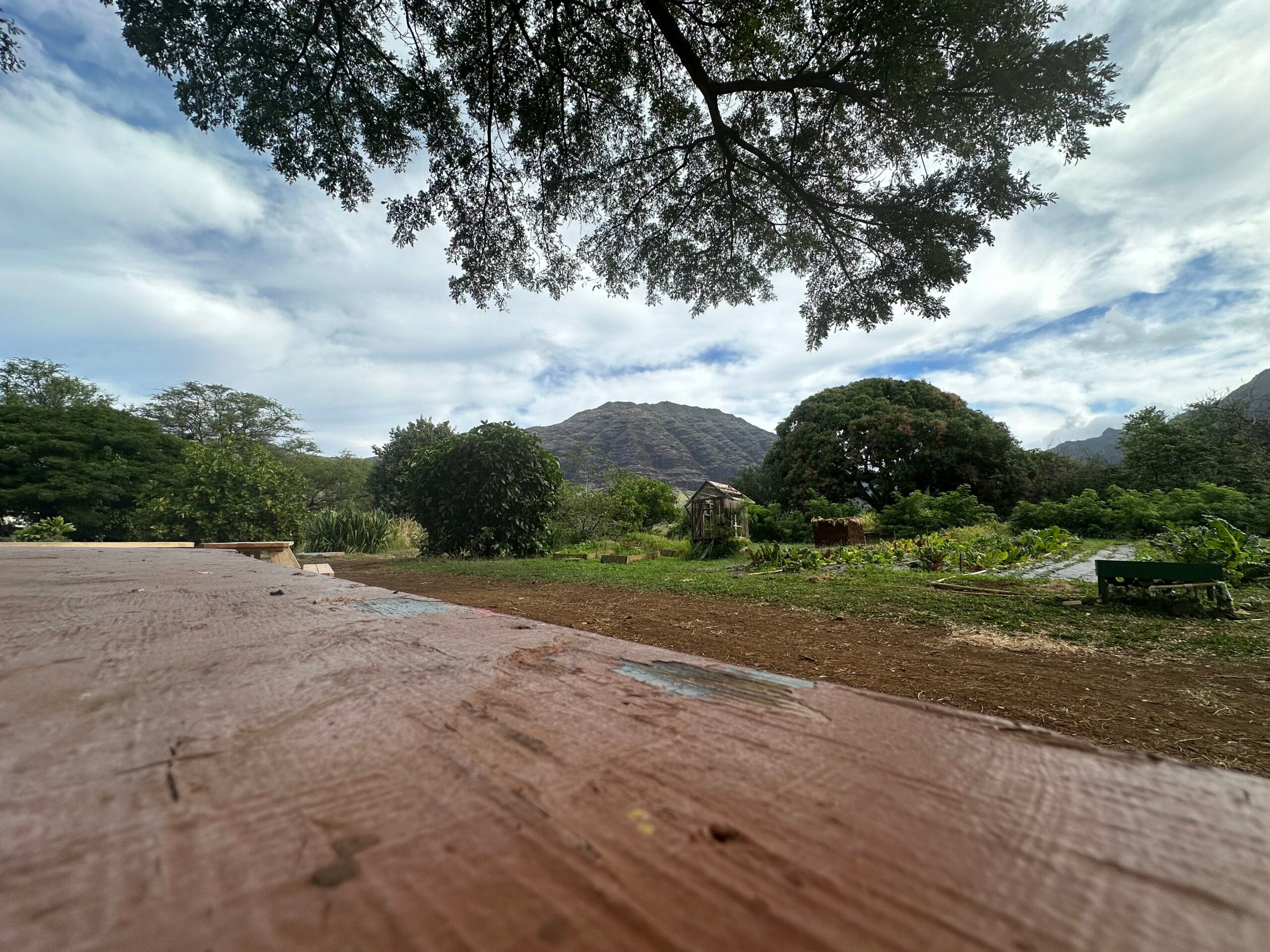
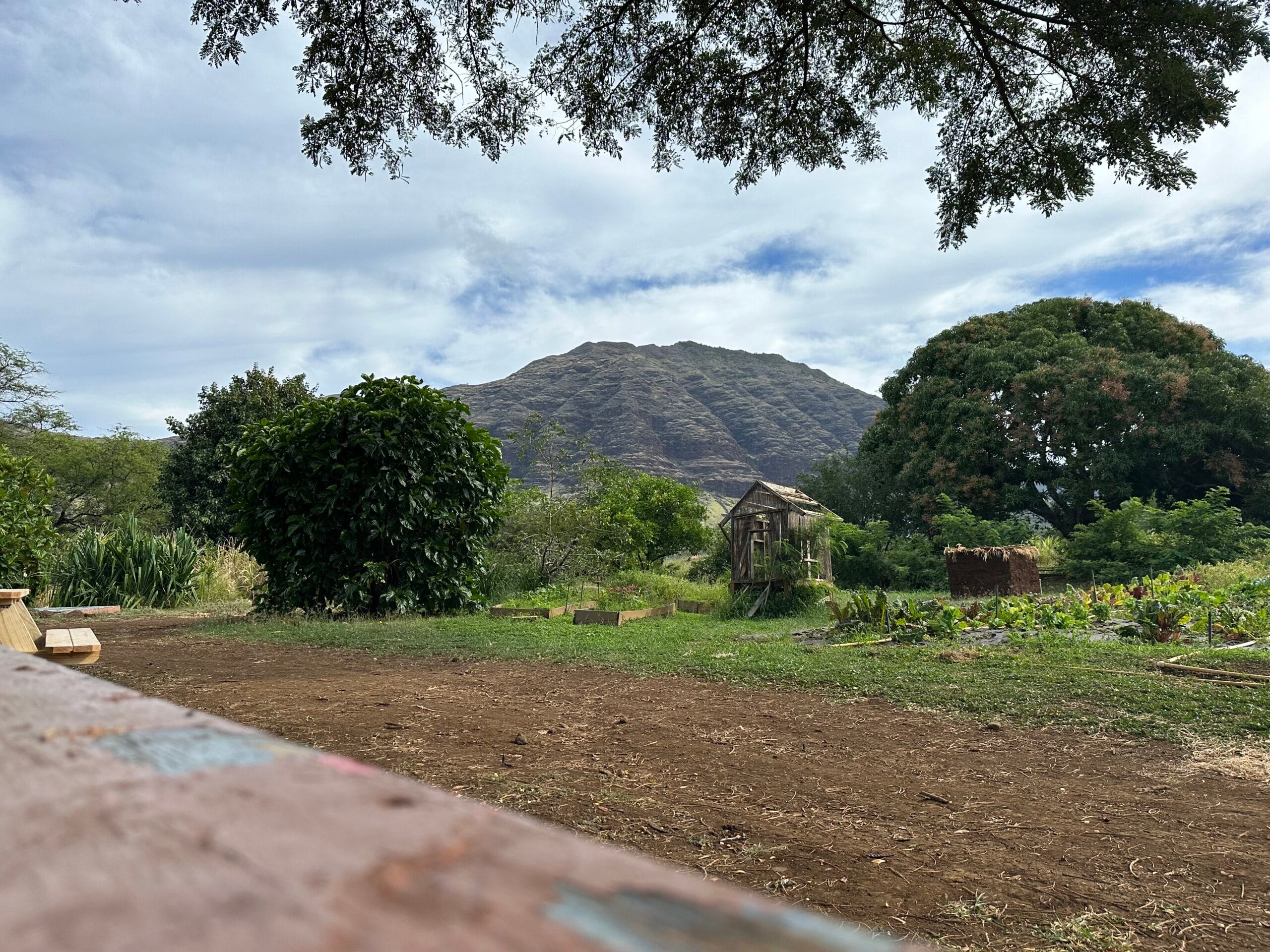
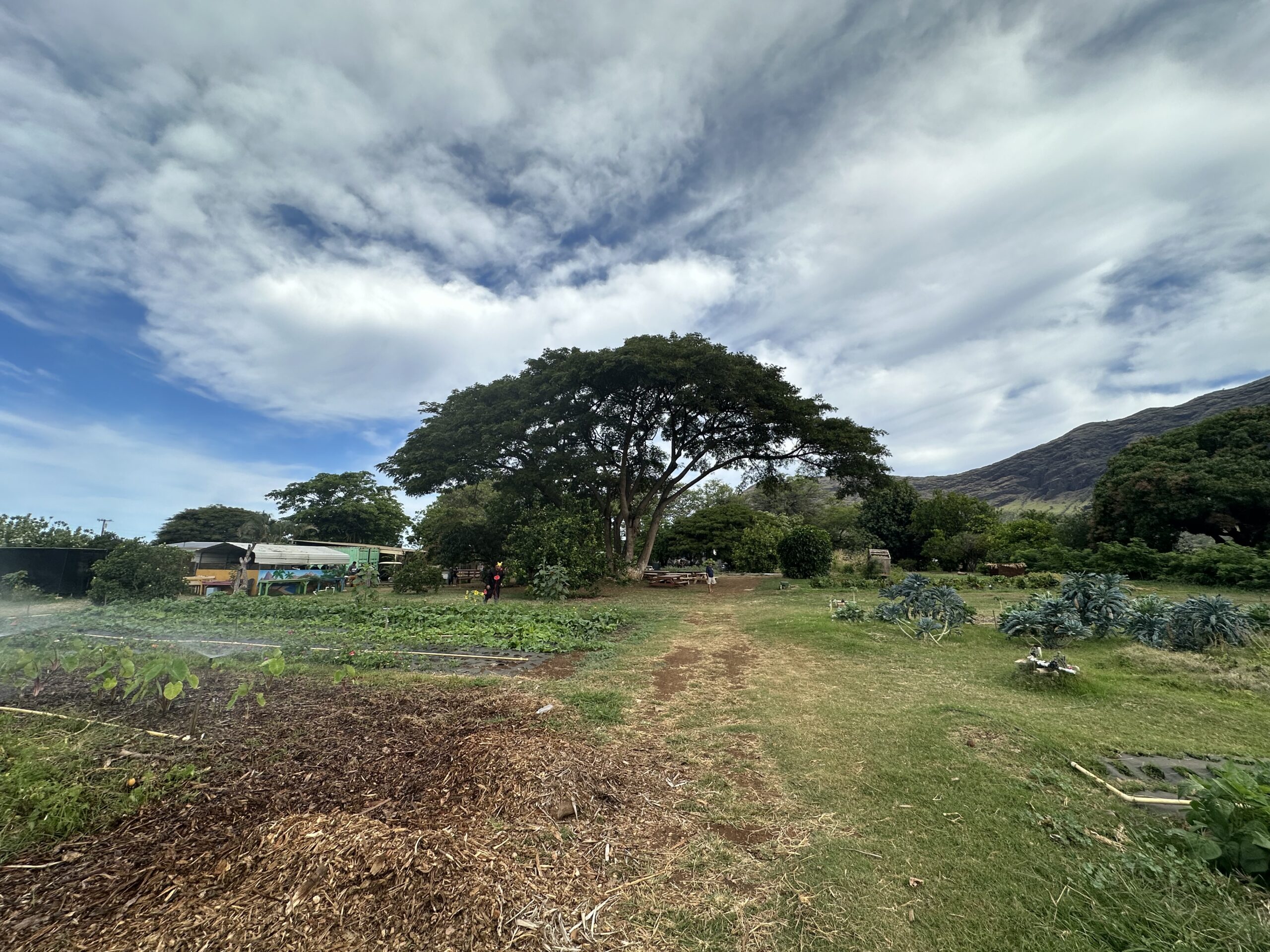
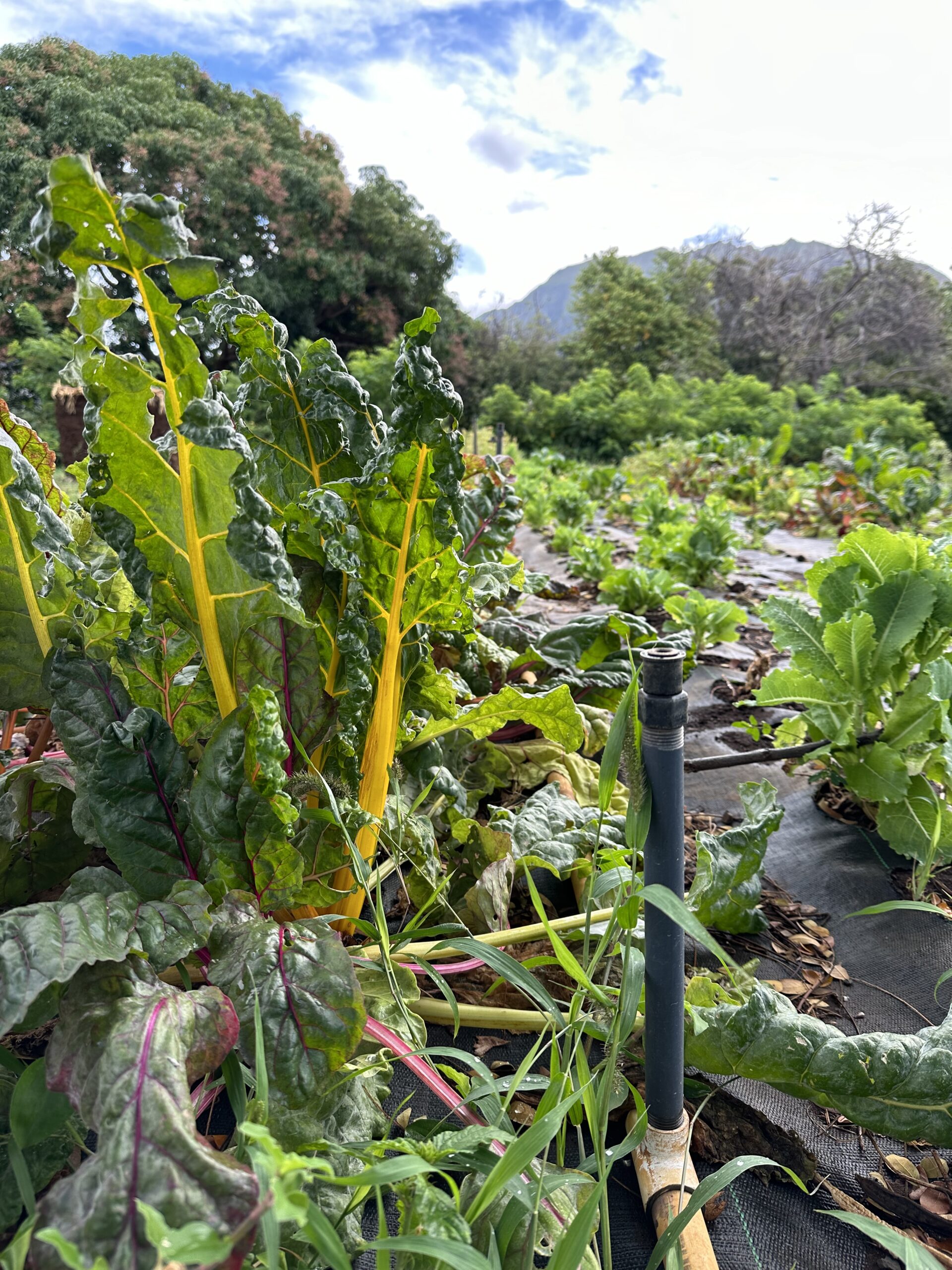
Welcome to another deep dive into the world of sustainable agriculture and community-based initiatives. Today, we’re spotlighting the inspirational work of Chelsea Victoria Jay and the Hoa ‘Āina O Mākaha, a nonprofit educational and community farm located on the lush west side of Oahu, Hawaii.
Growing Communities, Not Just Food
The mission at Hoa ‘Āina O Mākaha is unique in that it isn’t centered on agriculture alone. Instead, it focuses on “creating peaceful communities in harmony with nature, through the eyes, hands, and hearts of the children.” They emphasize growing people alongside plants, fostering community development and peace-making through the collective effort of tending to the earth.
Educational Programs That Promote Sustainability
Hoa ‘Āina O Mākaha offers several programs aimed at community engagement and education:
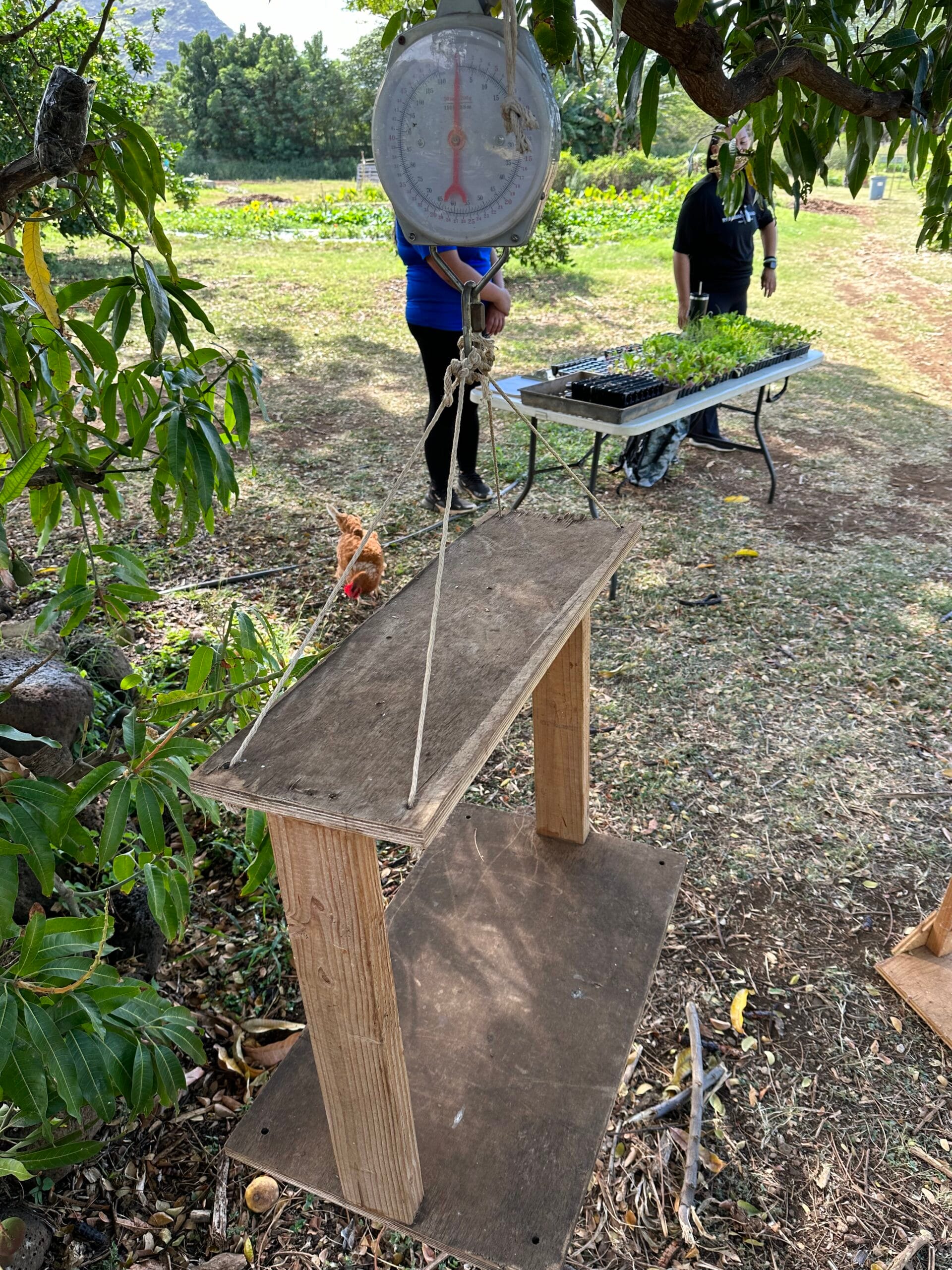
Nā Keiki Aloha ʻĀina: This longstanding program partners with Makaha Elementary School, engaging students in hands-on farm-based lessons. This initiative introduces children to traditional and modern cultivation methods, fostering a connection to local culture and sustainability from a young age.
Ke Ala ʻĀina: Open to students and visitors from across regions, this program educates participants through tours and hands-on farm work. Activities include weeding, planting, and even making fresh sugar cane juice, providing immersive learning experiences beyond a typical classroom setting.
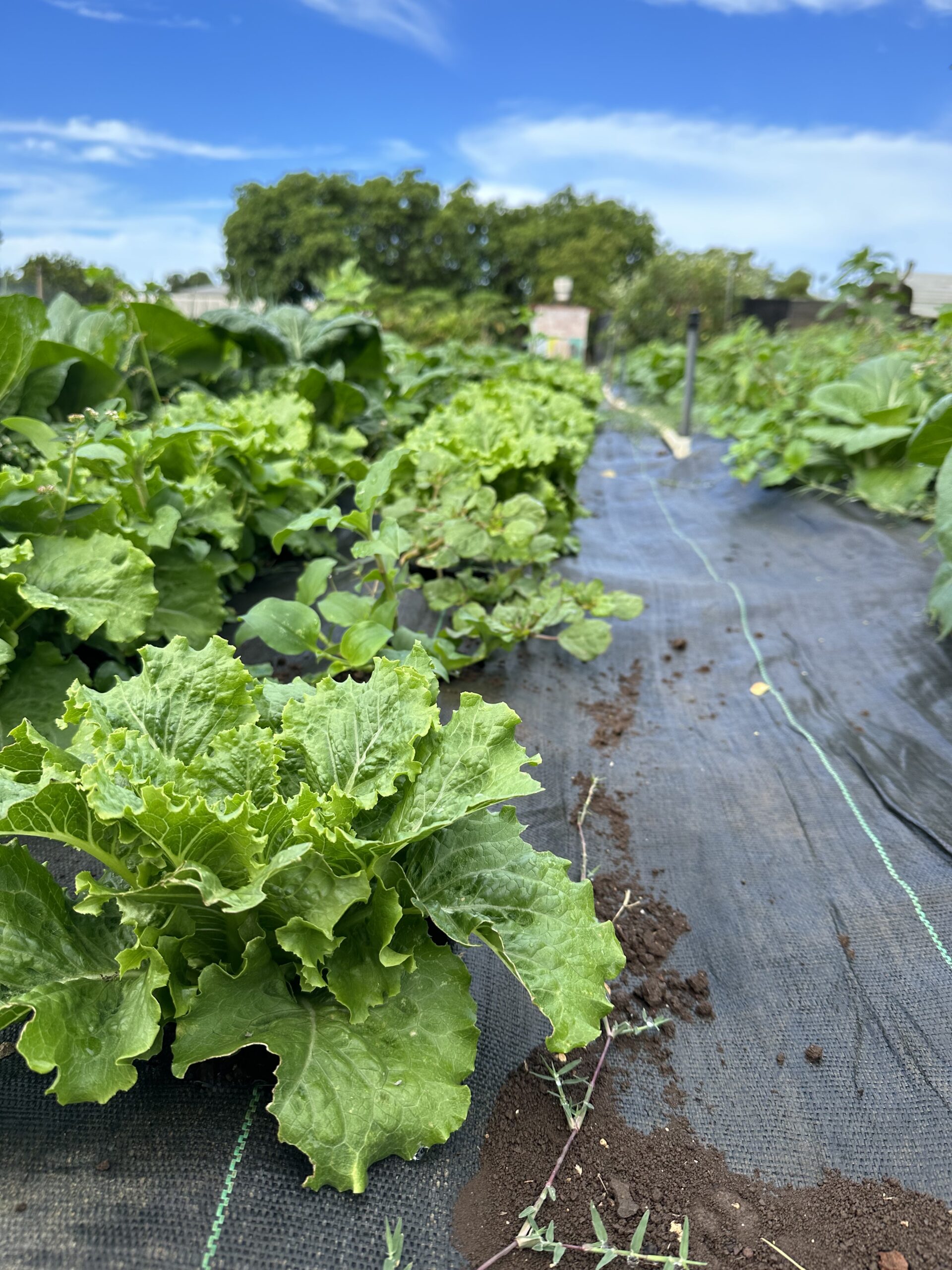
U-Pick Farm to Basket Experience: This innovative community program allows participants to harvest fresh produce directly from designated areas on the farm. It operates on a give-what-you-can donation model, emphasizing access to nutrient-dense food while encouraging community interaction and engagement with the land.
Strategic Funding and Nonprofit Challenges
Running a nonprofit farm presents its own set of challenges, particularly in financial sustainability. Executive Director Chelsea Jay highlights that an estimated 90% of their operations are grant-funded. Despite its dependency on grants, the organization’s diverse funding streams, including program fees and community support, help maintain their mission-driven activities.
Fostering Financial Sustainability in a Nonprofit Farm
Jay underscores the importance of diversifying revenue streams for nonprofits to ensure longevity. She discusses the significance of grants, but also explores creative avenues for generating funds, such as space-sharing agreements and community-driven events that align with the farm’s mission.
Cultivating Relationships and Community Impact
A recurring theme in Chelsea’s narrative is the pivotal role of relationships. Building solid community ties has been integral to the farm’s success and sustainability. By developing reciprocal relationships with people and the land, the farm not only promotes environmental stewardship but also community resilience.
Leadership in Action: Lessons from Chelsea Victoria Jay
Chelsea’s leadership as a native Hawaiian woman from the Wai’anae community brings a unique perspective to Hoa ‘Āina O Mākaha. Her journey reflects a deep commitment to indigenous leadership and community empowerment, offering a model of nonprofit management that prioritizes people and place.
Support and Visit Hoa ‘Āina O Mākaha
Whether you’re passionate about sustainable agriculture, community-building, or nonprofit management, Hoa ‘Āina O Mākaha offers valuable insights and inspiration. Consider supporting their work through donations or by visiting their farm to witness firsthand the impact of their community-driven initiatives. For more information, visit their website and follow them on social media.
By sharing this story, we invite you to reflect on how small-scale, community-based farming initiatives can contribute to global sustainability efforts, one seed—and one child—at a time.
If you’re inspired to learn more or contribute, please visit Hoa ‘Āina O Mākaha’s website. Your support helps sustain valuable programs that nurture both the community and the land in profound ways.